THL Resources
The Robotics and IoT Lab at Aqaba University of Technology is dedicated to advancing the fields of robotics, automation, and the Internet of Things. The lab provides students and researchers with the tools and resources needed to develop innovative solutions for modern technological challenges.
University
Aqaba University of Technology
Targeted Groups
- Students and faculty members from the Artificial Intelligence department.
- Industry professionals seeking advanced training and collaboration.
- High school students interested in robotics and IoT through outreach programs.
- Entrepreneurs and startups developing IoT and robotics solutions.
- Researchers focusing on interdisciplinary projects involving robotics, IoT, and AI.
- Members of the community interested in technology workshops and seminars.
- Government and NGO representatives involved in technology policy and implementation.
Resources
- State-of-the-art robotic kits and IoT devices.
- High-performance computing systems for simulation and modeling.
- Access to proprietary software and development tools.
- Collaboration spaces equipped with the latest technology.
- Technical support and mentorship from experienced faculty members.
THL Components
Overview of the concept and key components
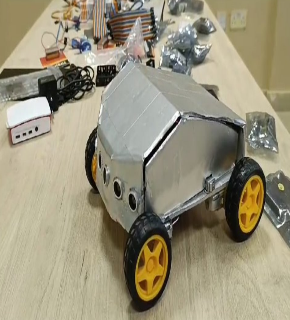
The experimental setup showing the main components and how they interact
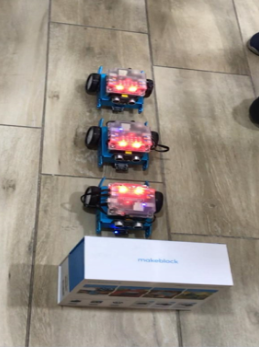
Visual representation of use cases
In the event that various experiments are planned with the experimental set-up
Training Material
- Online
Tutorials and Courses: Comprehensive courses covering
robotics and IoT fundamentals, accessible through the lab’s online portal. View Lab Manual
- Hands-on
Workshop Guides: Step-by-step guides for building and
programming robots, suitable for all skill levels.
- Research
Papers and Case Studies: A collection of the latest
research papers and case studies on advancements in robotics and IoT.
- Video
Lectures: Recorded lectures from industry experts and
academic professionals, covering a wide range of topics in robotics and
IoT.
- Simulation
Software Guides: Tutorials on using simulation software to
model and test robotic systems and IoT networks.
- Programming
Guides: Detailed instructions and example code for
programming robotics and IoT devices using various languages such as
Python, C++, and Java.
- Project
Blueprints: Detailed blueprints and project plans for
creating complex robotics and IoT projects.
- Hackathon
and Competition Preparation Materials: Resources and tips
for preparing for robotics and IoT competitions and hackathons.
- Capstone Project
Resources: Assistance and materials for students working on their capstone
projects, including project management tools and mentorship support.
Instructions for Students Registered for IoT or Robotics Courses:
- Safety Training:
o Attend the mandatory safety training session provided at the beginning of the course.
- Lab Access:
o Access the lab during scheduled course hours or book additional time via the online portal.
- Using Equipment:
o Use the equipment as instructed during your course sessions. For additional projects, follow the booking procedures.
- Support:
o For course-related support, consult your instructor. For additional help, contact lab staff or use the provided training materials.
Instructions for Students Not Registered for IoT or Robotics Courses:
- Interest Registration:
o Visit the lab’s webpage and complete the interest registration form to gain temporary access to lab resources.
- Safety Training:
o Attend a mandatory safety training session. Schedule and sign-up information is available on the lab’s webpage.
- Access Approval:
o Once safety training is completed, request access to the lab facilities. Approval will be granted by the lab coordinator.
- Booking and Usage:
o Reserve lab time and equipment via the online booking system. Ensure to follow the lab’s guidelines and use equipment responsibly.
- Support:
o For assistance, contact the lab staff during office hours or utilize the provided training materials.
Use cases for the labs (examples, experimentation, projects,....)
The Robotics and IoT Lab at Aqaba University of Technology is dedicated to advancing the fields of robotics, automation, and the Internet of Things. The lab provides students and researchers with the tools and resources needed to develop innovative solutions for modern technological challenges.
http://www.aut.edu.jo/en/colleg/department/26
Curriculum
Link to the existing and planned curriculum and/or experiment categories:
Robotics, IOT, Advanced AI, Programming in AI
THL availability for the students
Mechatronics Lab (Spring 23/24) - Teaching +Projects
Adapted courses which take advantage of RL/THL equipment
- Students and faculty members from the Artificial Intelligence department.
- Industry professionals seeking advanced training and collaboration.
- High school students interested in robotics and IoT through outreach programs.
- Entrepreneurs and startups developing IoT and robotics solutions.
- Researchers focusing on interdisciplinary projects involving robotics, IoT, and AI.
- Members of the community interested in technology workshops and seminars.
- Government and NGO representatives involved in technology policy and implementation.
Related Courses
- Internet of Things 2312302
- Robotics 23112401
- Advanced Artificial Intelligence 2312203
- Programming in Artificial Intelligence 2312305
Students Trained
Most significant value created by having students use your lab experiments
Now they have the opportunity to practice and apply what they are learning the oritically
Students Feedback
Pre-Survey for Take Home Labs (THLs)
Post-Survey for Take Home Labs (THLs)
Instructors/staff Feedback
Didactical needs
- Clear Instructions and Guidelines: Students require succinct instructions for IoT and robotics system setup, ensuring ease of comprehension in the absence of instructors. Pre-configured code templates facilitate conceptual learning.
- Accessibility to Resources: Access to essential hardware and tools is imperative, with provisions for students lacking advanced equipment to promote inclusivity. Online resources, including libraries and cloud platforms, are vital for resource availability.
- Learning Materials for Self-Paced Progression: Self-paced learning materials, such as video tutorials and project examples, are crucial for remote students. Educational resources must encompass both theoretical knowledge and practical competencies.
- Evaluation Metrics: Clear assessment criteria are necessary for student understanding of grading processes, with regular progress evaluations being beneficial. Feedback is vital for problem resolution and guiding students effectively.
Obstacles or limitations
- Limited Access to Physical Hardware: the lack of access to expensive hardware and specialized equipment. Many students might not have the resources or space at home for the necessary components, such as robotics kits or IoT sensors.
- Connectivity Issues and Network Limitations: IoT projects often require an internet connection for cloud communication or remote monitoring. Students may face network restrictions or limited internet speeds that can hinder their ability to complete projects.
- Lack of Instructor Support: With take-home labs, students miss the real-time assistance from instructors or teaching assistants, making it harder to troubleshoot problems and receive immediate feedback.
- Diverse Skill Levels: IoT and robotics involve a mix of software, hardware, and theoretical knowledge. Students may come into the course with varying levels of experience, making it difficult to create a one-size-fits-all assignment.
Lessons Learned
- Importance of Flexibility
- Student Empowerment
- Hands-On Practice is Key
- Pre-Lab Preparation is Crucial
- Collaboration Enhances Learning
- Documentation and Communication
Contact Information
Lab Coordinator: Dr. Gaith Rjoub
Email: grjoub@aut.edu.jo
Phone: +962 791800189
Office Hours: Sunday to Thursday, 9 AM - 3 PM
Lab Location: Building B, Room 101, Aqaba University of Technology
Photos